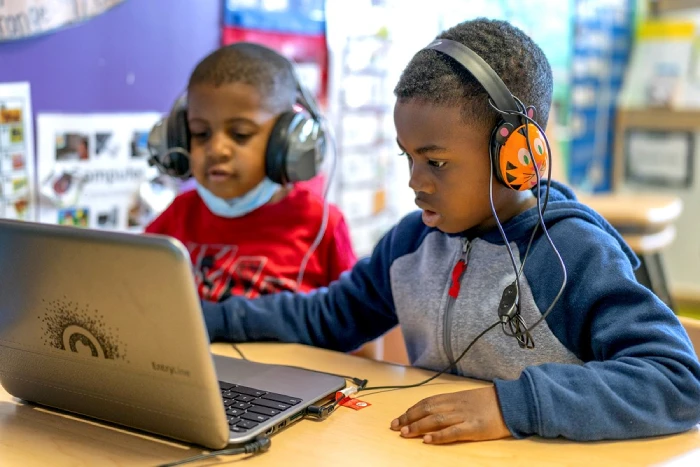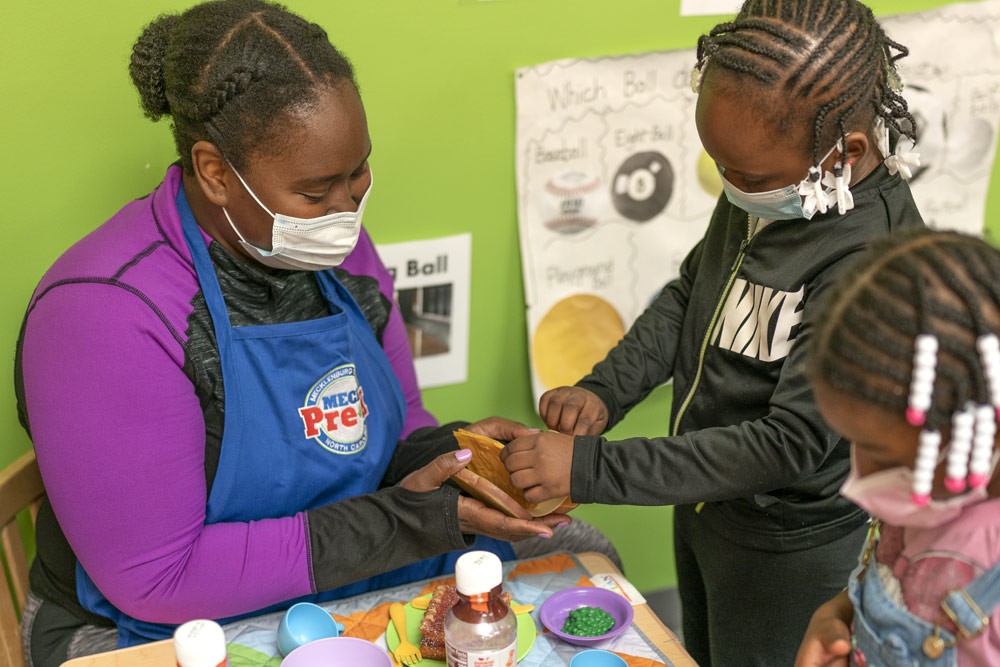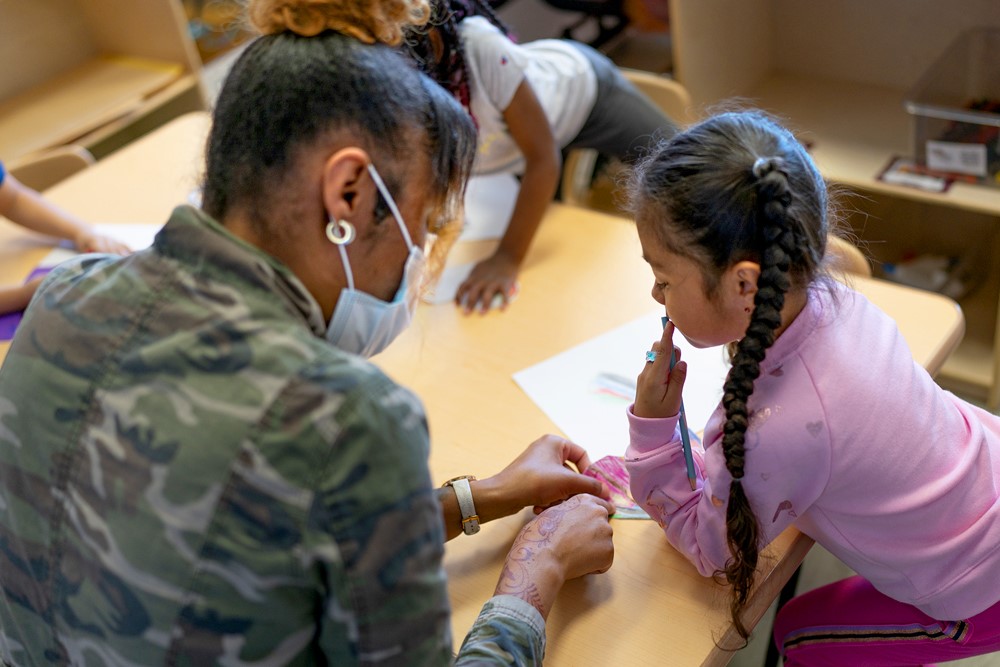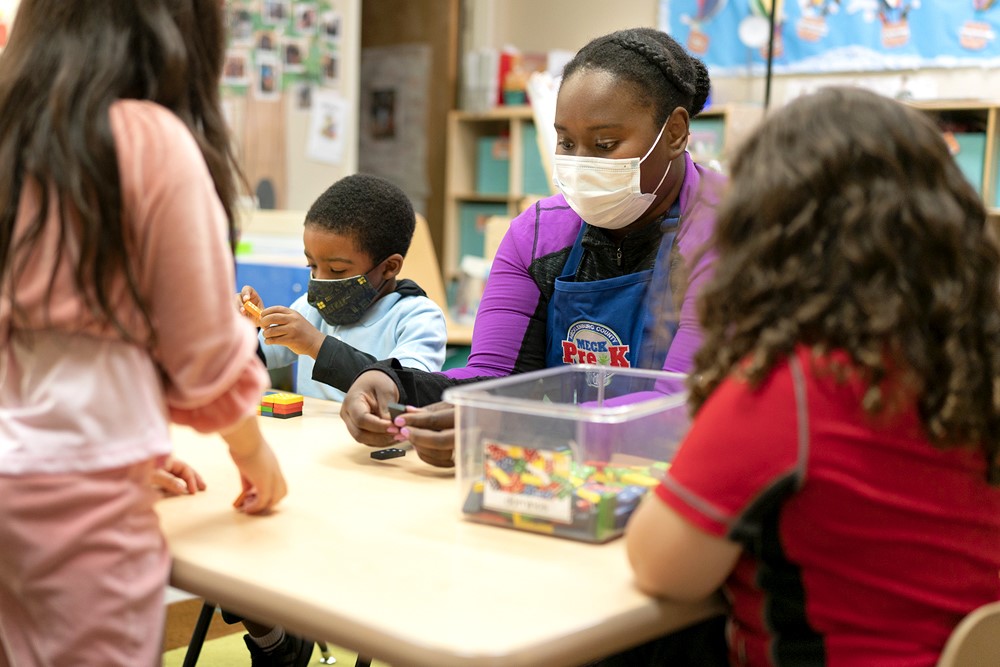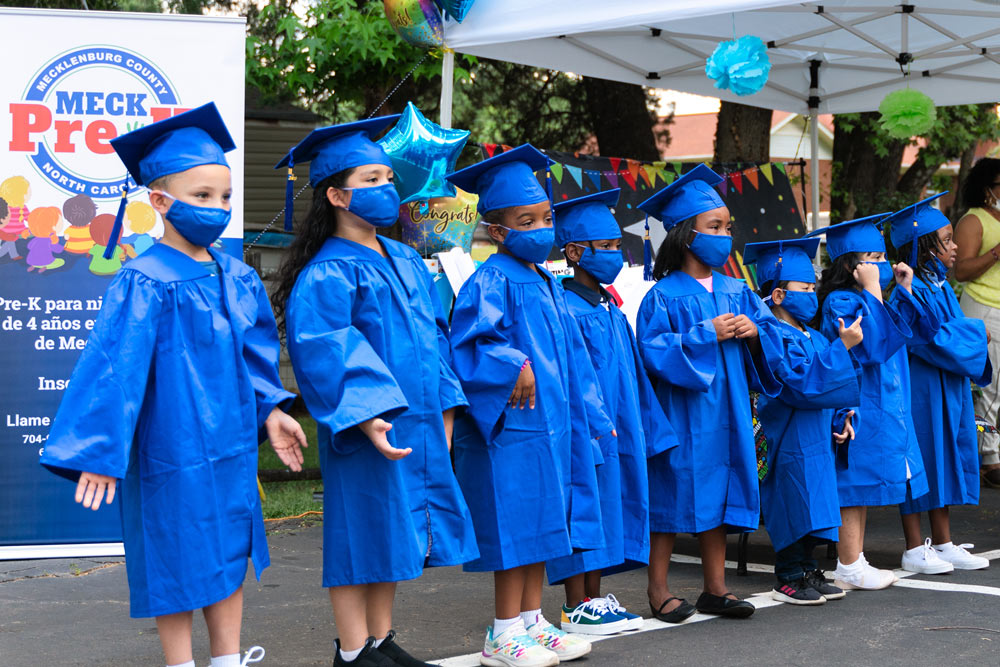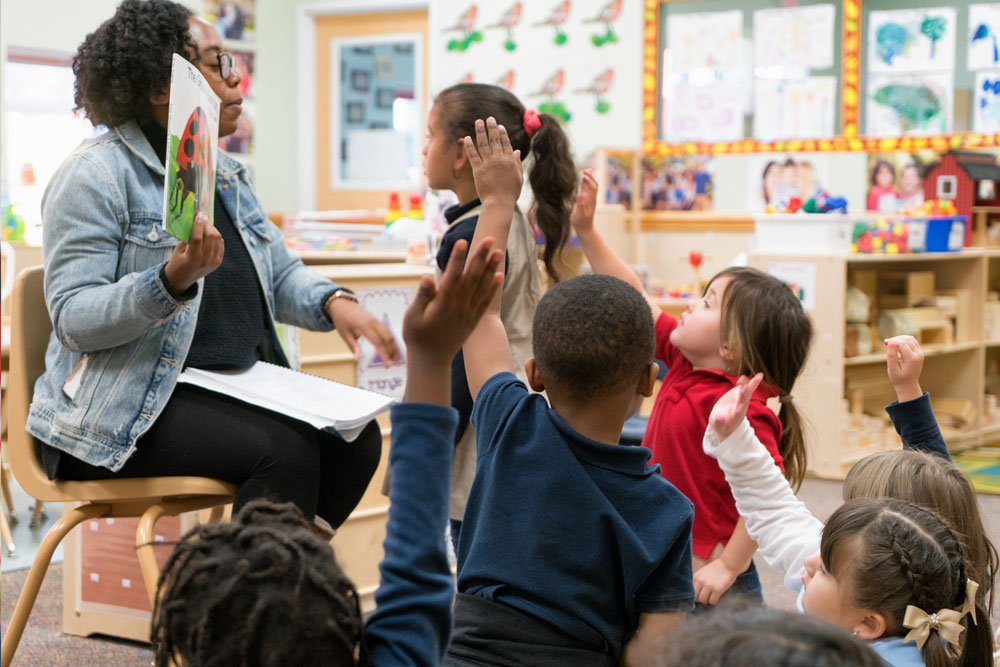
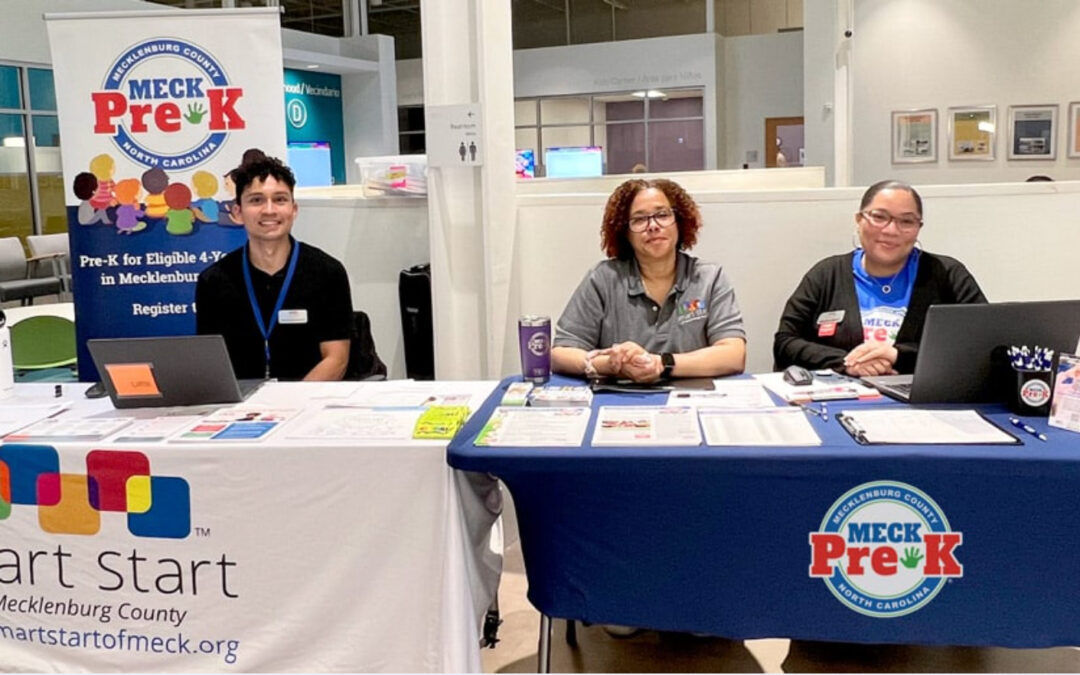
Outreach is a cornerstone for the success of a public pre-K program like MECK Pre-K. Outreach ensures equitable access, builds community trust, and maximizes program impact. Here are a few reasons why pre-K programs do outreach.
High Quality
Pre-K Education
High Quality
Pre-K Education
MECK Pre-K Blog
MECK Pre-K Blog
Category Archive:
Outreach is a cornerstone for the success of a public pre-K program like MECK Pre-K. Outreach ensures equitable access, builds community trust, and maximizes program impact. Here are a few reasons why pre-K programs do outreach.
We know that pre-K programs, especially those with an enriched curriculum and experiential learning, can help children in many areas, including social-emotional learning, character building, and school readiness.
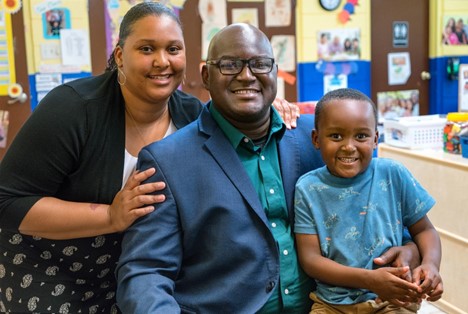
But what do families say? We recently invited a family back to tell us what they have seen since their child graduated from the first year of MECK Pre-K.
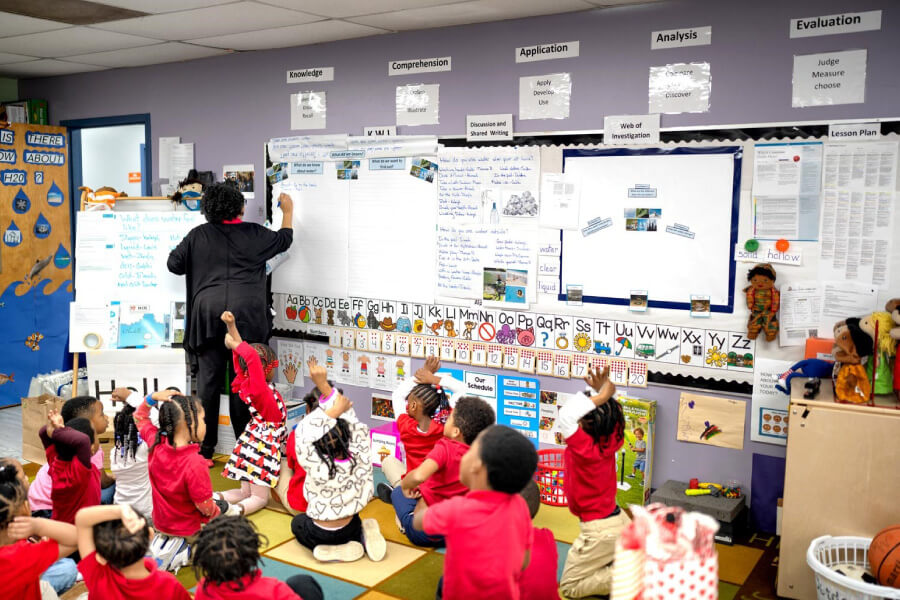
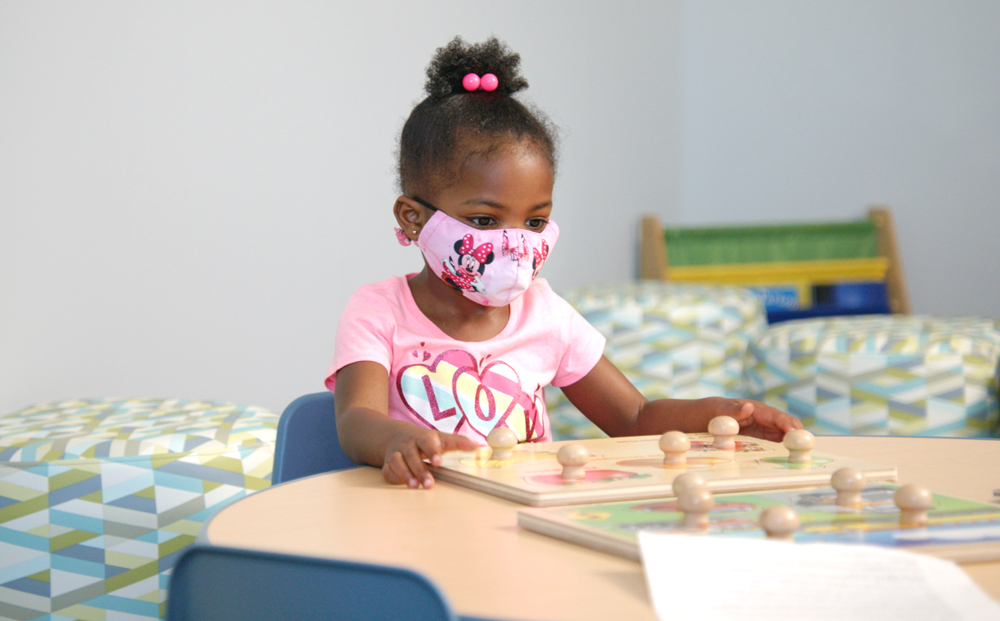
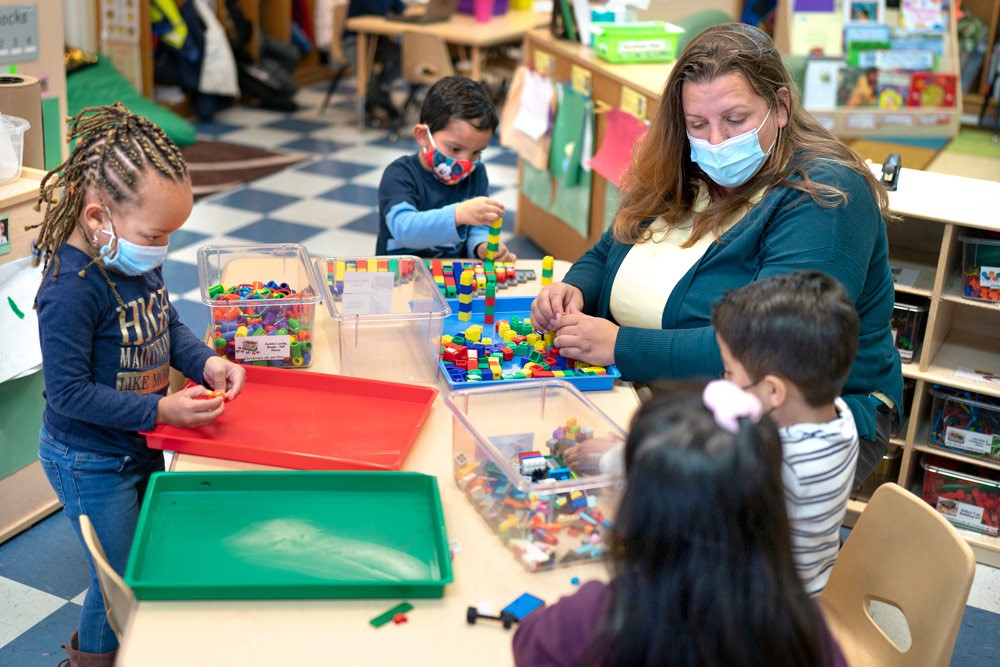
Have you ever walked into a pre-K classroom? You might see colorful decorations on the walls, child-sized furniture, and maybe even dress-up clothes. You might think, “this is cute.” But there is so much more that goes into the design of a pre-K classroom! A high-quality pre-K program will follow best practices based in the latest pre-K research to create an environment for learning and growth. Let’s break down some of the elements that go into designing a pre-K classroom.
MECK Pre-K is one of three public pre-k programs available in Mecklenburg County. In order to ensure that all families in Mecklenburg County have the information they need to choose the best program for their children, we are providing a quick overview of the three programs, what they offer, and how they may be similar and different.
So, how many hours does a pre-K day last? Pre-K programs vary, and may have different lengths. While some programs last a half day or about three to four hours, others have full-day options to accommodate children and parents.
Teachers plan opportunities for children to satisfy their innate curiosity by investigating interesting topics in developmentally appropriate ways. This curriculum not only covers essential content but also pushes children to be independent learners by using a project approach.
Preschool can play a valuable part in a child’s early education and social development — but is your child ready for preschool or pre-K and how much time should children four-year-olds actually be spending in the classroom?
Every child deserves a high-quality early childhood education. This may include both preschool and pre-kindergarten. There are some misconceptions out there concerning these two programs — namely that they’re the same thing. That’s why we’re going to compare preschool and pre-K, and discuss their many differences and similarities.
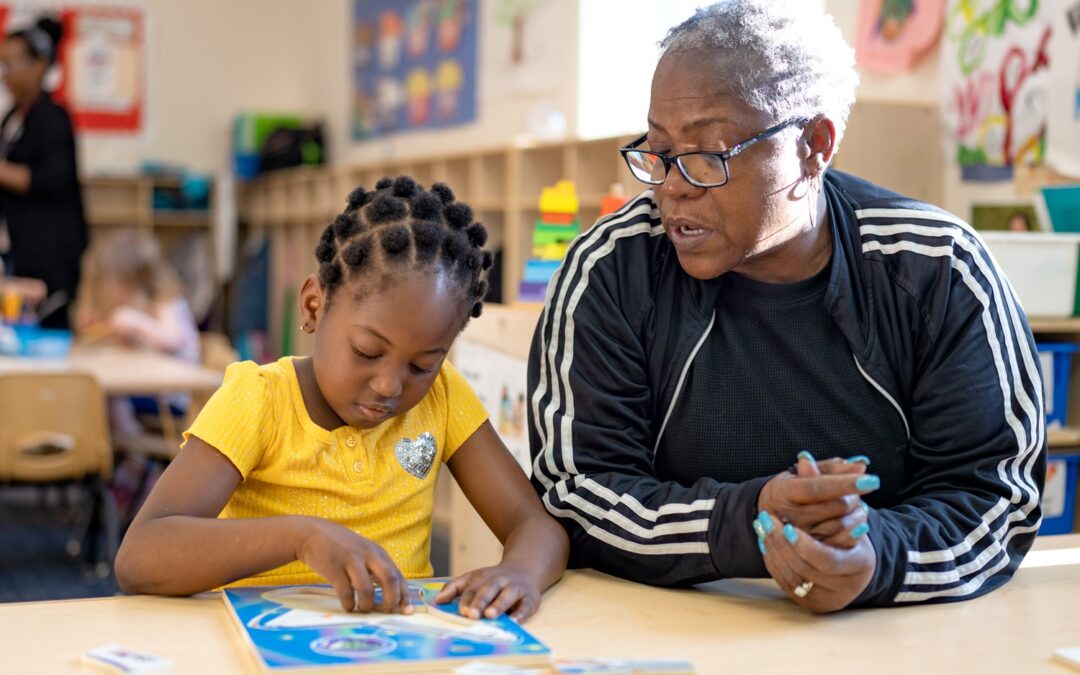
As a parent, you want to know your child is in good hands. That’s why we at MECK Pre-K are committed to hiring qualified teachers and assistant teachers in all of our schools. Learn more about what to expect from your child’s pre-K teacher and assistant teacher before the school year begins.
Pre-K is a major component of a great early childhood education. This program helps prepare children for the social and academic challenges ahead in kindergarten and all their schooling to come. Given the importance of pre-K, many parents experience stress about whether or not their child is ready, or how to enroll. We’re here to help by answering all of these questions!
The average age of a child entering pre-K in the US is between three and four, but typically pre-K starts at age four. Programs that accept children at younger ages may be categorized as preschools, not pre-K.
Pre-K and daycare often get confused with each other. While they have their similarities, there are several key differences between the two.
The key difference between pre-k and daycare is the pre-K curriculum. A curriculum is what educators intend to teach their students over the course of a semester or school year. A pre-k curriculum should encourage learning and growth in a number of areas to prepare children for kindergarten. This includes their literacy abilities, social skills, attitude toward learning, and much more.
In this post, we’ll answer the question, “What is the difference between preschool and pre-K?” and explain the importance of a pre-K program for your children. Research shows that a high-quality pre-K program benefits children not only throughout their education but even during adulthood.
As a parent, you want the best for your child and will do anything to ensure they have an excellent education. But you may be wondering whether you should send them to pre-K or whether you should homeschool them instead. It’s a difficult question, and you will be searching for some detailed answers.
Pre-kindergarten is an optional program that parents can enroll their children in, usually at age four and during the school year preceding kindergarten. Many parents opt to have their kids skip pre-k entirely, usually in an effort to save money.
Pre-k offers children many new opportunities for learning and friendship. Meeting other kids and making friends is part of the fun, though they also develop some practical skills…
In brief, the answer is no in the state of North Carolina. Pre-kindergarten in the US usually starts at age four or five, though the education requirements vary by state. Even though our state doesn’t require pre-k enrollment…